Drawn to glass walls, clean lines, and indoor‑outdoor living? If so, New Canaan belongs on your shortlist. The town is a nationally recognized hub for mid‑century modern design, where post‑war architects tested bold ideas that still feel fresh today. This guide explains what makes these homes special, where you tend to find them, how to evaluate maintenance and upgrades, and what to know about financing, inspections, and resale. Let’s dive in.
Why New Canaan matters
New Canaan became a post‑war laboratory for modern residential architecture. Architects often called the Harvard Five, along with their peers, designed houses that prioritized light, openness, and a strong connection to nature. Philip Johnson’s Glass House stands as the most famous example and remains a touchstone for the town’s modernist legacy. While not every home is landmarked, community interest and preservation groups help keep the conversation about conservation active. If you value design pedigree and thoughtful site planning, you will find compelling options here.
Hallmarks of modern homes
Exterior and structure
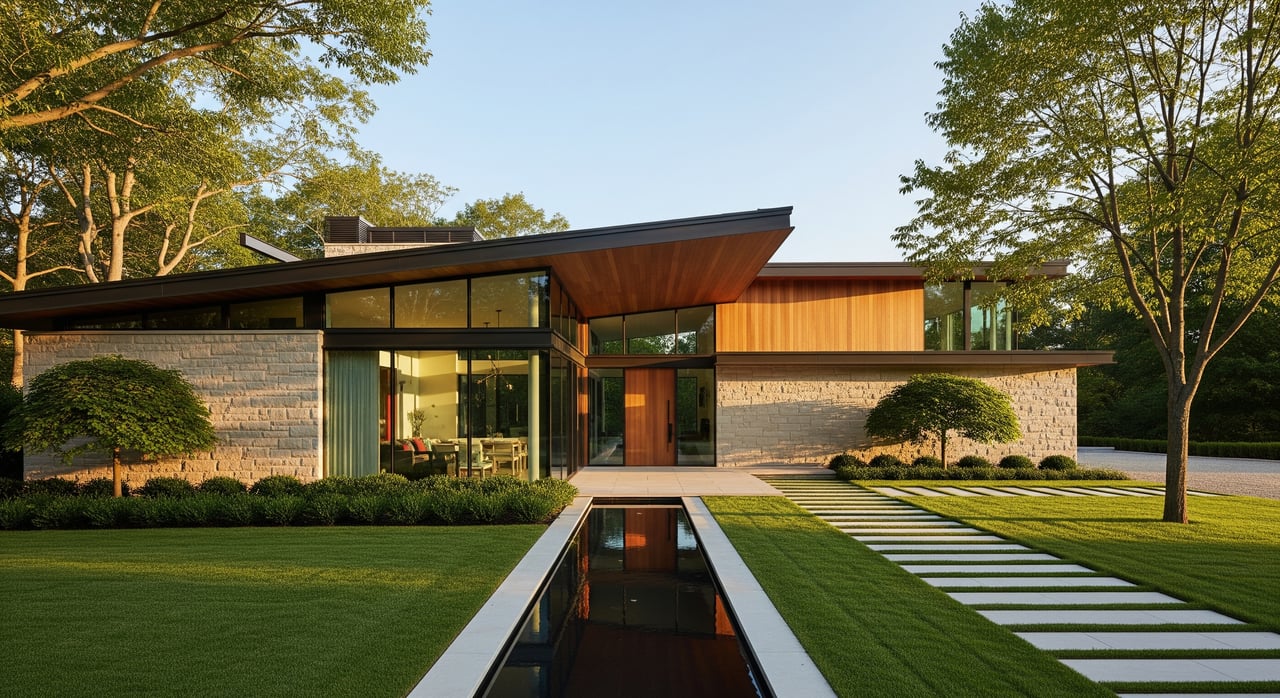
Modern houses in New Canaan are known for:
- Glass walls and floor‑to‑ceiling glazing. These deliver sweeping views and a seamless connection to the site. Many use steel or wood framing to span long distances.
- Flat or low‑pitched roofs. Clean horizontal lines define the look, but these roof types need attentive drainage and membrane maintenance.
- Simple geometric forms. Expect rectilinear plans, cantilevers, clerestories, and minimal ornamentation.
- Natural materials. Steel, concrete, brick, exposed wood, stone, and large panes of glass create a timeless palette.
- Landscape integration. Homes are sited to capture light and vistas with patios and terraces that extend living areas outdoors.
Interior layouts
Inside, you will often see:
- Open plan living. Living, dining, and kitchen zones flow together with limited interior load‑bearing walls to preserve sightlines.
- Single level or split‑level plans. Many are single story or low split levels that keep circulation simple.
- Built‑ins. Bookcases, benches, and cabinetry are integrated to maintain clean lines and functionality.
- Clear public/private zones. Bedrooms form a private wing while glassed public spaces face the views.
- Even natural light. Large windows, clerestories, and occasional skylights or atriums spread daylight throughout.
Systems and finishes
What you might encounter:
- Original mechanicals. Older boilers, furnaces, or early electrical systems are common in untouched homes.
- Single‑pane glazing. Some homes retain early glass units that impact comfort and efficiency.
- Era finishes. Exposed wood paneling, terrazzo or concrete floors, and plaster walls appear frequently.
- Experimental details. Exposed steel, early aluminum framing, and other inventive methods show up in architect‑designed properties.
What this means for you
Big glass and flat roofs deliver drama, but they also influence energy use and maintenance rhythms. Altering open plans for more private rooms can be structurally complex and may affect the home’s character. Plan ahead, price upgrades accurately, and align your renovation goals with the house’s design intent.
Where to find them and what to expect
Geographic patterns
Modernist homes cluster in several New Canaan areas shaped by mid‑20th‑century development, and significant one‑off commissions appear across town. The Glass House draws interest to nearby properties, but you will also see modern homes on suburban parcels throughout the community.
Lots and streetscapes
Many modern houses sit on modestly wooded lots that emphasize privacy and siting. Others occupy larger parcels with tailored landscape design. In some enclaves, a cohesive modern character emerges. Elsewhere, a modern home may sit alongside more traditional neighbors, which can influence curb appeal and resale conversations.
Buyers and demand
Typical buyers include architectural enthusiasts, commuters working in NYC or within Connecticut, downsizers drawn to single‑story living, and those seeking contemporary new construction inspired by mid‑century style. Well‑kept modern homes with thoughtful upgrades tend to draw strong interest. Resale depends on condition, quality of improvements, lot attributes, and access to local amenities and transportation.
Financing, appraisal, and insurance
- Appraisals. Unique architect‑designed homes need comparables that reflect design value. Seek an appraiser familiar with this property type.
- Insurance. Large glass areas, flat roofs, and exposed structural materials may require policy endorsements or special assessments.
- Renovation budgets. If you plan improvements, consider loan products that account for after‑repair value and build healthy contingencies.
Cost, maintenance, and renovation
Glass walls and glazing
- What to watch: comfort, UV exposure, condensation, and frame deterioration over time.
- Typical fixes: upgrade to high‑performance insulated glass with low‑E coatings and thermally broken frames. Add window treatments for privacy and solar control while preserving sightlines.
Flat and low‑pitched roofs
- What to watch: ponding water, membrane age, flashing details, and drainage slope.
- Typical fixes: reroof with modern single‑ply or modified bitumen systems. Improve slope where possible and schedule more frequent inspections than with steep roofs.
Structural materials
- What to watch: corrosion at steel connections, wood rot where materials meet, and cracking in concrete.
- Typical fixes: targeted structural rehabilitation, rust treatment and protective coatings, and sealing vulnerable interfaces.
Mechanical, electrical, and insulation
- What to watch: older HVAC, minimal insulation, outdated wiring, and aging plumbing.
- Typical fixes: high‑efficiency HVAC and zoned systems, rewiring as needed, and insulation upgrades that respect original wall assemblies. Consider discreet mechanical solutions to limit visual impact.
Historic and material hazards
- What to watch: possible asbestos in tiles or insulation and lead paint in older finishes.
- Typical fixes: test during inspections and use licensed contractors for abatement or encapsulation if present.
Inspections that matter
Focus your due diligence on these areas:
- Roof age, membrane type, and drainage history.
- Window condition, glazing type, and frame integrity.
- Structural elements including foundation, visible steel connections, and any cantilevers.
- HVAC, plumbing, and electrical capacity and age, including checks for older wiring types.
- Moisture and site drainage patterns that can stress flat roofs and heavy glazing.
- Hazardous materials testing for asbestos and lead.
- Any historic designation, preservation easement, or deed restriction that could affect changes.
Renovation with integrity
Modernist homes balance artistry and function. Aim to preserve clarity of lines and the strong relationship to the site while improving comfort and performance. Sensitive strategies include thermally improved glazing that matches original sightlines, roof and wall insulation that does not disturb signature finishes, and discreet mechanical additions like mini‑splits or concealed ductwork. If you are considering additions or subdividing open plans, review local planning requirements and understand how changes could affect the home’s character and future value.
Resale and marketability
- What helps resale: documented architectural provenance, strong site orientation, intact original features in good condition, and high‑quality, character‑respecting upgrades.
- Potential hurdles: perceived energy inefficiency, aging systems, or renovations that undermine the home’s design logic.
- How to market well: lean into photography that celebrates indoor‑outdoor flow and key details, and stage to show how open plans support real life today. Highlight recent system upgrades and energy improvements.
Buyer checklist
Use this as a pre‑offer and due‑diligence guide:
- Confirm whether the property has any historic designation, easement, or restrictions.
- Request seller records: roof dates, window or HVAC upgrades, any asbestos or lead testing, and architectural drawings if available.
- Hire an inspector experienced with mid‑century or architect‑designed homes. Bring in a structural engineer for steel or cantilevered elements when needed.
- Price upgrades realistically. Get estimates for roof, glazing, and mechanicals before finalizing your offer.
- Discuss appraisal strategy. If the home has unique architectural value, align on appropriate comparables.
- Confirm insurance options, including coverage for large glass replacement and flat roofs if applicable.
Local resources
- The Glass House for context on New Canaan’s modernist legacy and programs.
- New Canaan Historical Society and local archives for property histories.
- Connecticut Trust for Historic Preservation and the National Trust for guidance on mid‑century best practices.
- New Canaan town offices for permits, deed research, and zoning.
- Local specialists including architects, contractors, preservation consultants, and energy‑efficiency advisors with mid‑century expertise.
Ready to explore?
If New Canaan’s modern architecture speaks to you, the right guidance makes all the difference. From identifying authentic design features to navigating inspections, upgrades, and appraisal strategy, you deserve a local partner who understands both the art and the logistics. Reach out to the Coastal Collective Team to start your search or discuss a thoughtful plan to buy or sell with confidence.
FAQs
What defines a New Canaan modern home?
- Hallmarks include glass walls, open plans, low‑profile roofs, minimal ornamentation, and a strong indoor‑outdoor connection that emphasizes the site.
Are New Canaan modern homes historically protected?
- Some are recognized or subject to preservation interests, but protections vary by property; verify any designations, easements, or restrictions during due diligence.
How energy efficient are homes with large glass walls?
- Original single‑pane glazing can increase heating and cooling loads; upgrading to insulated, low‑E glass and adding treatments improves comfort and efficiency.
What should I inspect on a flat‑roof modern home?
- Prioritize membrane age, drainage and slope, flashing details, and recent maintenance history to assess performance and lifespan.
Will an architect‑designed home appraise correctly?
- It can, but you may need an appraiser familiar with architectural value and appropriate comparables to capture design provenance in the valuation.
Is insurance different for homes with big glass and flat roofs?
- Policies may require endorsements or special assessments for extensive glazing and flat roofs; confirm coverage availability and costs early in the process.